Choosing a fence is one of those decisions that feels simple at first, until you realize how much it affects your property long term. The material you choose influences how your yard looks, how much work you put into upkeep, and how well the fence holds up year after year. Looking at wood fences, vinyl fences, and aluminum fences side by side makes it much easier to see which option actually fits your lifestyle.
Every fence material has its own strengths and trade-offs, and none of them are one-size-fits-all. Some homeowners care most about low maintenance, while others want natural character or a clean, modern look. Understanding how vinyl, wood, and aluminum behave over time helps you make a choice you will not regret five or ten years down the road.
Contents
Vinyl vs Wood Fence Comparison: Durability and Maintenance Differences
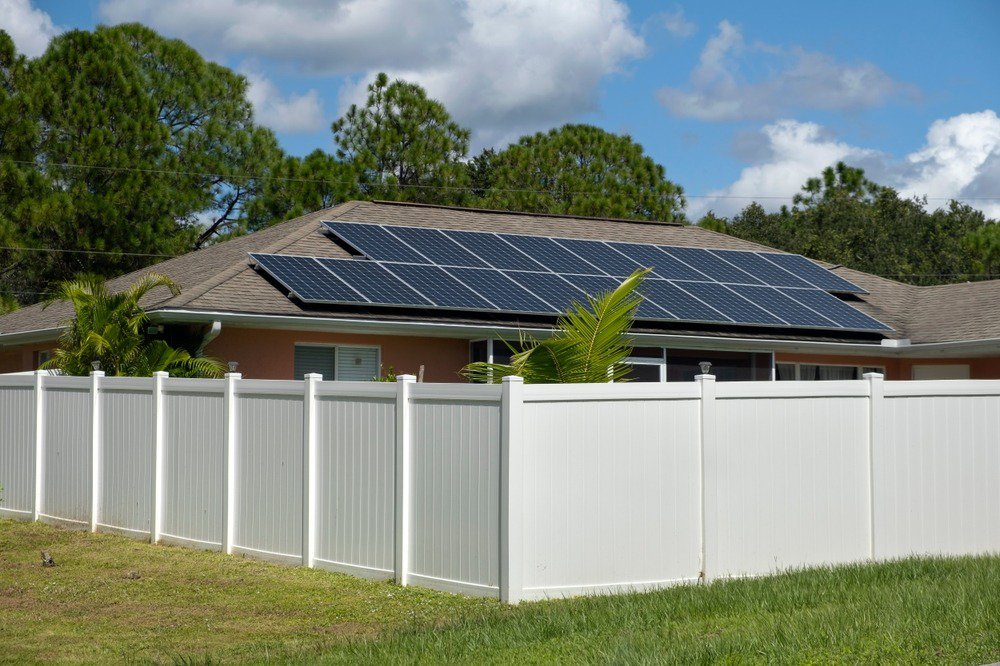
Vinyl fences and wood fences are often compared because they both work well for privacy and backyard enclosures. When you look at a vinyl vs wood fence comparison honestly, the biggest difference usually comes down to maintenance. Vinyl fences resist moisture, insects, and warping, which makes them appealing for homeowners who want something they rarely have to think about.
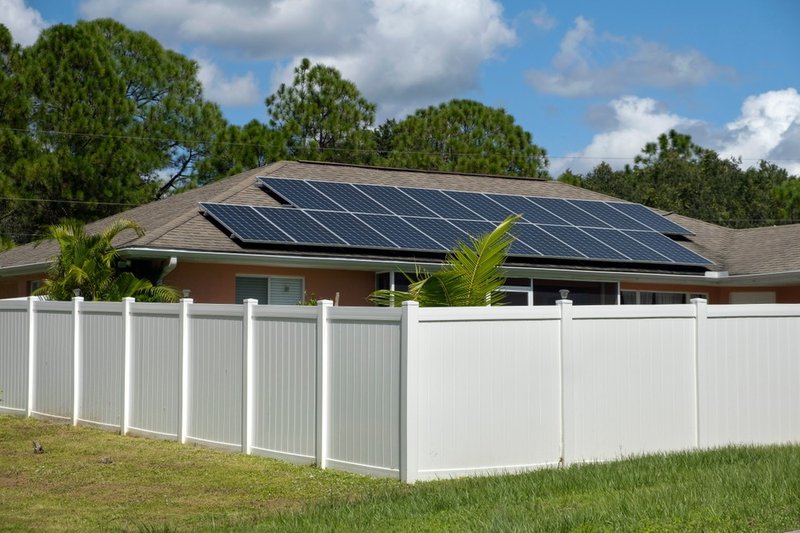
With vinyl fences, upkeep is simple. An occasional rinse or light cleaning is usually enough to keep panels looking new. Property owners interested in low-maintenance privacy fencing often explore the benefits of choosing vinyl fencing. Regular cleaning with mild soap and water usually keeps vinyl panels in excellent condition for decades.
Wood fences offer something different. They bring warmth and character that many homeowners still love, especially in traditional or natural settings. That look does come with responsibility though. Wood fences need sealing or staining to protect against rot, insects, and weather exposure, which adds time and cost over the years. In a vinyl vs wood fence comparison, vinyl wins on convenience, while wood wins on classic appeal and customization.
Cost and Visual Impact in Fence Selection
Cost is not just about the price on day one, it is about what you spend over the life of the fence. Vinyl fences usually cost more upfront, but they make up for it by avoiding ongoing maintenance and repainting. Over time, that balance often evens out for homeowners who want predictable costs.
Wood fences typically cost less to install initially, which makes them attractive for many budgets. They also allow more flexibility in color and finish through staining. Professionals performing wood privacy fence installation emphasize proper sealing techniques to maximize service life and maintain structural strength.
Visually, vinyl fences offer consistency. Panels keep their color and shape, which works especially well for newer homes or clean, modern designs. Wood fences feel more organic and blend naturally with landscaping, which is why they remain a favorite for homeowners who value traditional aesthetics.
Aluminum Fence Pros and Cons: Performance and Versatility
Aluminum fences tend to come into the picture when homeowners want security without completely closing off the space. Unlike wood fences or vinyl fences, aluminum fences focus more on strength, visibility, and clean lines rather than full privacy. They are a natural fit for front yards, pool areas, and properties where you want clear boundaries without blocking the view.
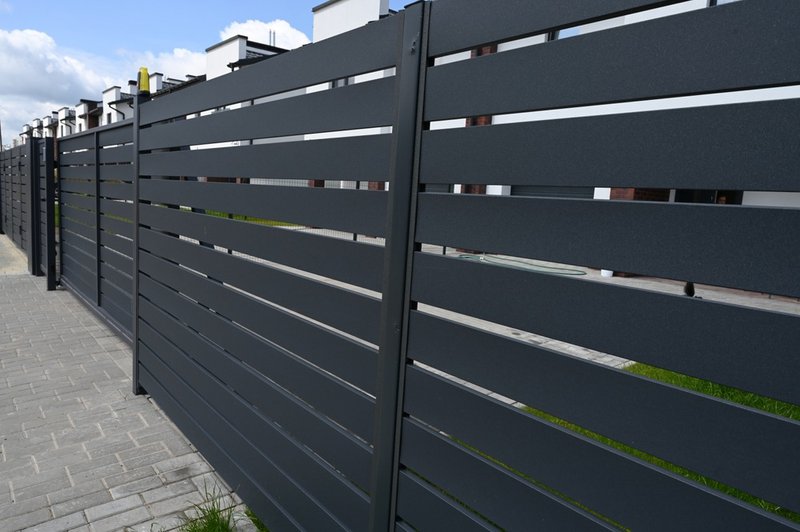
When people talk through aluminum fence pros and cons, these are usually the points that matter most in real life:
- Durability: Aluminum fencing does not rust, which makes it a strong choice in humid, coastal, or rainy environments. Occasional inspections help keep everything solid, but weather-related damage is rarely a concern.
- Security: Even though aluminum is lightweight, panels can be customized with added height or spear-top designs. Those upgrades noticeably improve perimeter security without making the fence feel bulky.
- Maintenance: One of the biggest advantages is how little upkeep aluminum requires. There is no staining, sealing, or repainting, which saves time and ongoing cost.
- Design options: Decorative styles and powder-coated finishes give aluminum flexibility across modern and traditional homes. It can blend in or stand out, depending on the look you want.
- Cost considerations: Upfront costs can be higher than wood, but aluminum’s long lifespan often balances that out. Fewer repairs and replacements usually mean better long-term value.
For homeowners who want something that looks sharp and lasts with minimal effort, aluminum fences often check the right boxes.More details on this material’s strengths can be found in the pros and cons of aluminum fencing.
Best Fence Material for Different Property Types
There is no single best fence for every property, which is why material choice matters so much. While a vinyl vs wood fence comparison helps narrow options, aluminum fences often become the clear winner in specific situations. The key is matching the material to how the property is actually used.
Here is how different materials typically line up with different property needs:
- Residential properties: Vinyl fences work well for homeowners who want privacy with very little maintenance. They are especially popular in suburban settings where clean, uniform appearance matters.Choosing the right fence is not just about looks, it is about how the material performs over time in your specific environment. Weather, usage, and maintenance expectations all play a role in how well a fence holds up. A professional installer helps make sure those details are not overlooked.
- Commercial spaces: Aluminum fencing offers a professional look with dependable security. Businesses and institutions often choose it for durability and long-term performance.
- Historic or rustic properties: Wood fences remain the go-to for charm and character. Natural materials fit better in traditional neighborhoods or older homes.
- Coastal areas: Aluminum’s resistance to corrosion makes it a safer choice near salt air and moisture. It avoids many of the warping and rust issues other materials face.
- High-traffic zones: Vinyl or aluminum handles frequent use better than wood. Both maintain appearance and structure with limited ongoing care.
Professionals usually look at drainage, soil conditions, traffic patterns, and surrounding structures before making a recommendation. Weighing aluminum fence pros and cons alongside vinyl and wood helps keep both function and budget aligned.
Practical Guidance for a Lasting Investment
Choosing the right fence involves understanding material behavior under local weather and wear conditions. A professional installer ensures precise placement, structural integrity, and adherence to zoning requirements. Proper evaluation and professional craftsmanship help maximize both fence longevity and overall property value.
At the end of the day, every property has unique requirements, and that’s where experience matters most. With decades of proven expertise across Virginia and North Carolina, Hurricane Fence helps property owners evaluate materials, costs, and long-term maintenance plans. Their team delivers fencing solutions that balance style, performance, and reliability for residential and commercial spaces alike.

Leave a Reply