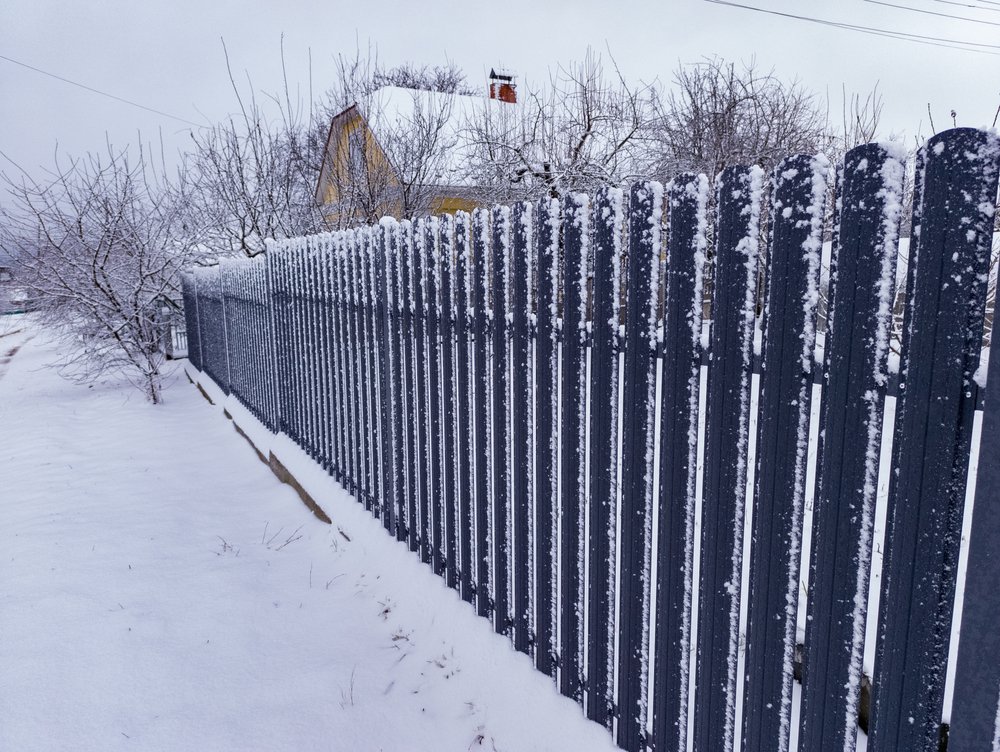
A little prep goes a long way when winter starts pushing back on your fence. Winter fencing care helps homeowners across Virginia and North Carolina keep property lines solid when freezing temperatures, shifting soil, and constant moisture start taking a toll. Starting early means less wear, fewer surprise repairs, and a fence that stays straight and functional instead of slowly falling apart.
Cold weather adds stress in places most people never think about until something goes wrong. Winter fencing care helps reduce warping, post movement, and hinge strain caused by repeated freeze and thaw cycles. Following a simple seasonal checklist keeps privacy, appearance, and access control intact without scrambling for fixes in the middle of winter.
Contents
- 1 What Seasonal Inspection Accomplishes for Winter Fencing Care
- 2 How To Prepare Material Surfaces for Winter Fencing Care
- 3 Why Post Stability Matters During Winter Fencing Care
- 4 How Winter Weather Affects Gate Operation and Access Systems
- 5 Where Storm Preparation Supports Residential Winter Fencing Care
- 6 What Homeowners Gain From Completing Winter Fencing Care
- 7 Prepare Your Property Before Winter Weather Moves In
Why Try This Seasonal Winter Fencing Care Checklist
Winter fencing care is one of the easiest ways to protect your home from cold-weather damage before it starts. When soil freezes and expands, posts can shift, boards can loosen, and gates can start dragging. Regular checks keep everything aligned and secure through the toughest months. A little consistency makes a big difference. Early preparation helps maintain smooth gate operation, stable fence lines, and reliable access all winter long. Instead of reacting to problems, you stay ahead of them.
What Seasonal Inspection Accomplishes for Winter Fencing Care
Quick inspections matter because winter turns small issues into big ones fast. Tiny gaps, loose posts, or stiff hinges can become major repairs once materials contract and harden. Catching those problems early saves time, money, and frustration.
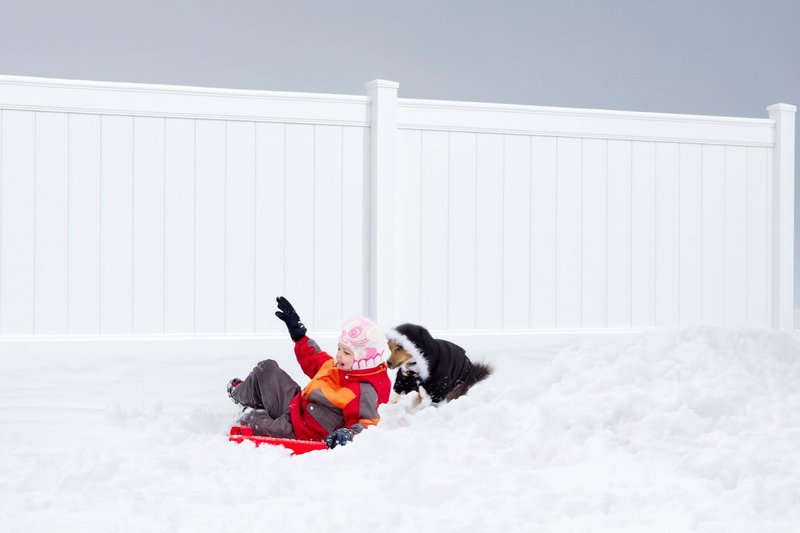
Focus first on posts that may have lifted from frost heave or soil swelling. Vinyl and composite fencing benefits from tightening fasteners before winter winds add vibration and movement. Metal fencing deserves close attention for early rust, since cold moisture speeds corrosion. Gates that are lubricated and aligned before freezing temperatures stay far easier to use once winter sets in.
How To Prepare Material Surfaces for Winter Fencing Care
Surface prep plays a huge role in how well a fence survives winter. Clean, treated materials handle moisture and temperature swings far better than neglected ones. A few focused steps now help your fence stay intact through freezing weather.
- Wood fencing: Apply breathable sealants to slow moisture absorption without trapping it beneath the surface. Extra protection helps wood survive repeated freeze and thaw cycles.
- Vinyl fencing: Wash panels to remove dirt and mildew before temperatures drop. Clean joints reduce moisture buildup that can cause stress when freezing occurs.
- Composite fencing: Clear debris from seams and edges so moisture does not freeze in place. Dense material stays more stable when expansion points stay clean.
- Metal fencing: Remove rust before applying protective coatings. Stopping oxidation early prevents spread during winter storms.
- Gate hardware: Lubricate hinges and moving parts before cold sets in. Proper movement prevents binding and stress during contraction.
Preparation works best before temperatures drop too low. Fully dried surfaces hold protection longer and resist cracking or peeling later in winter.
Why Post Stability Matters During Winter Fencing Care
Post stability is one of the most important parts of winter fencing care. As soil freezes and thaws, unstable posts only shift more over time. Solid supports protect fence height, privacy lines, and gate alignment through the cold months.
Virginia’s moisture-heavy soil often causes frost uplift during deep freezes. Coastal North Carolina sees soil movement from changing water content. Reinforcing posts early helps prevent leaning panels and collapsing angles once winter storms hit.
- Gravel bases improve drainage and reduce frost expansion.
- Meltwater drains downward instead of freezing outward against posts.
- Corner tension stays strong during snow, ice, and wind pressure.
How Winter Weather Affects Gate Operation and Access Systems
Gates are usually the first thing to fail in winter if they are not maintained. Cold temperatures cause metal contraction, swollen joints, and frozen hinges. Winter fencing care keeps access systems working instead of fighting you every time you open them.
- Gate spacing: Proper gaps prevent pinching when materials contract. Swing stays smooth and stress stays low.
- Hinges: Clean lubrication reduces frozen resistance and binding. Movement stays consistent in cold weather.
- Track systems: Clearing debris before snowfall keeps wheels aligned and rolling freely.
- Latches: Tightening hardware prevents rattling caused by contraction and wind.
- Keypads and controls: Moisture shielding protects electrical components from freezing damage.
Maintained gates stay dependable, even through snow and ice. Vehicles and foot traffic move in and out without frustration.
Where Storm Preparation Supports Residential Winter Fencing Care
Storm preparation is one of the most overlooked parts of winter fencing care, even though it has one of the biggest payoffs. Snow, ice, and high winds add stress in ways that are not always obvious until something bends, cracks, or pulls loose. Taking time to prep before storms hit helps panels and posts keep their shape instead of slowly giving in under pressure.
Snow buildup is a good example of how damage starts quietly. As snow piles up, it adds steady downward weight across rails and panels. If that weight sits too long, spans can begin to sag, fasteners can loosen, and boards can crack under stress. Clearing snow early keeps weight evenly distributed so hardware is not forced to absorb more pressure than it should.
Overhanging tree limbs are another common winter problem. Ice builds up fast on branches, adding far more weight than most homeowners expect. When those limbs snap, they often fall directly onto fence lines. Trimming branches ahead of winter reduces the chance of sudden impact damage and helps wood and composite fencing handle storms more safely.
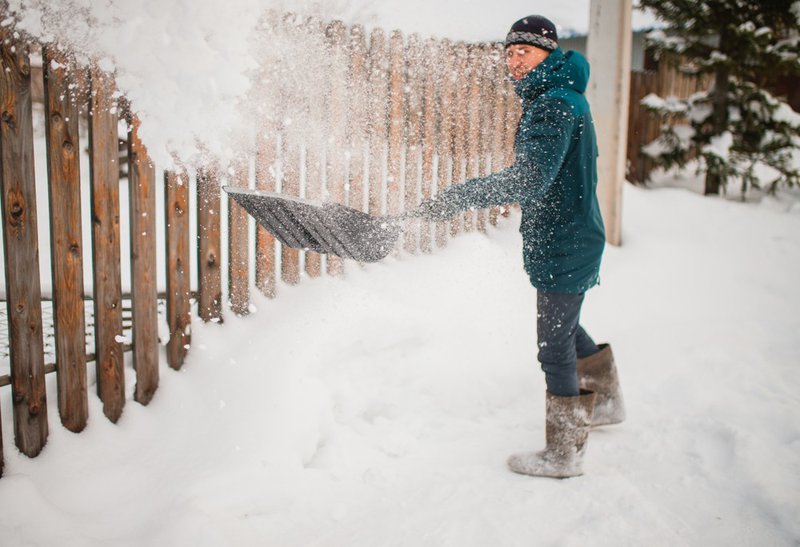
Drainage also plays a major role during winter storms. When meltwater pools around posts, it refreezes and expands outward, pushing supports out of alignment. Proper drainage planning keeps water moving away from the fence line so posts stay stable. Instead of leaning or sagging into spring, the fence holds its alignment through repeated freeze and thaw cycles.
- Snow buildup: Adds downward load to privacy spans, which can lead to sagging or cracks if ignored. Clearing weight early keeps panels properly supported and hardware stress balanced.
- Overhanging limbs: Snap under ice weight and fall onto rails and panels. Pre-season trimming prevents impact damage and protects structural integrity.
- Drainage management: Redirects water away from posts so frost lift does not push them out of place. Alignment stays consistent through melt cycles.
What Homeowners Gain From Completing Winter Fencing Care
Winter fencing care pays off well beyond the cold months. When preparation starts early, fences handle temperature swings better and hold their structure into spring. Posts stay upright, hinges keep moving, and boards avoid the splitting and shifting that often show up after winter neglect.
Residential properties keep their appearance, privacy, and structure through storms and ice. Small seasonal tasks protect finishes, preserve color, and keep panels cleaner and stronger. Instead of planning repairs as soon as winter ends, homeowners enjoy a fence that still looks and functions the way it should.
Commercial properties benefit just as much, if not more. Avoiding perimeter failures prevents downtime, safety concerns, and emergency repair costs. Planned maintenance replaces surprise breakdowns, and reduced material replacement lowers long-term waste and expense.
Prepare Your Property Before Winter Weather Moves In
Winter fencing care strengthens durability, stabilizes gates, and protects perimeter systems across Virginia and North Carolina. Seasonal preparation helps prevent avoidable damage caused by freezing temperatures, wind-driven storms, and shifting soil. The result is a fence that stays secure instead of becoming a winter liability.
Contact Hurricane Fence for winter fencing evaluation, reinforcement, and gate-function optimization. Our specialists maintain secure boundaries for residential and commercial sites throughout freeze conditions.


Leave a Reply